


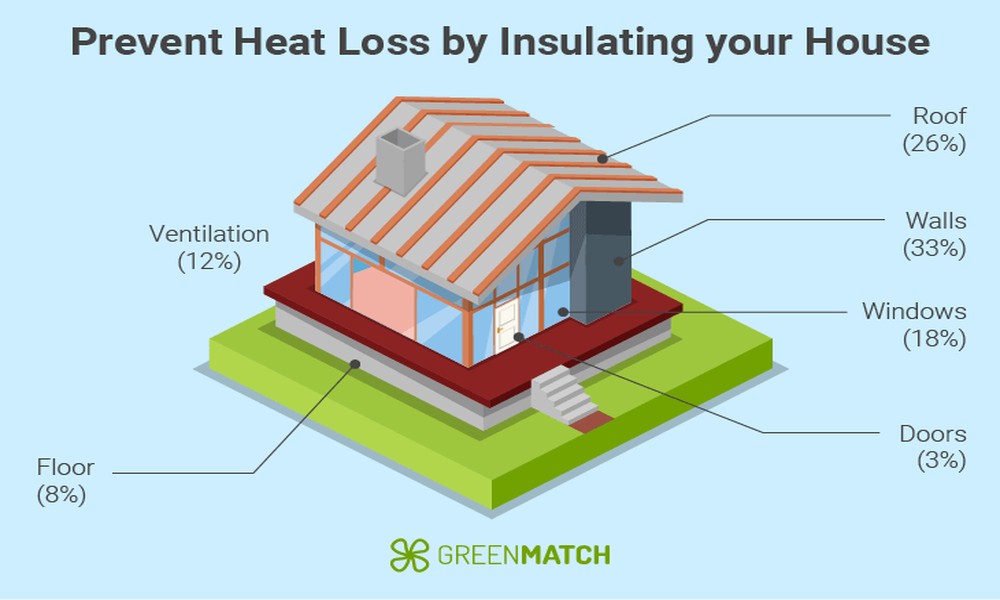
Energy costs continue to rise, and homeowners are increasingly looking for practical ways to reduce monthly expenses. Heating and cooling often make up a large portion of household energy use.
Improving insulation is one of the most effective long-term solutions. It not only lowers energy bills but also enhances overall comfort and home performance.
Why Insulation Matters for Energy Efficiency
Insulation plays a critical role in controlling how heat moves in and out of your home. Without proper insulation, warm air escapes during winter and enters during summer.
This forces HVAC systems to run more frequently, increasing energy consumption and wear on equipment.
Good insulation helps maintain a stable indoor temperature. As a result, your home stays comfortable with less energy input.
Where Homes Lose the Most Energy
Energy loss usually happens in multiple areas, not just one weak point. Even small gaps can significantly affect overall efficiency.
Common Problem Areas
- Roofs and attics, where heat easily escapes
- Exterior walls with insufficient insulation
- Windows and doors with air leakage
- Floors and basements exposed to temperature changes
Energy Loss Overview
|
Area |
Energy Loss Risk |
Common Issue |
|---|---|---|
|
Roof |
High |
Poor insulation coverage |
|
Walls |
High |
Gaps or thin materials |
|
Windows |
Medium |
Air leakage |
|
Floors |
Medium |
Weak insulation layer |
How Better Insulation Reduces Energy Bills
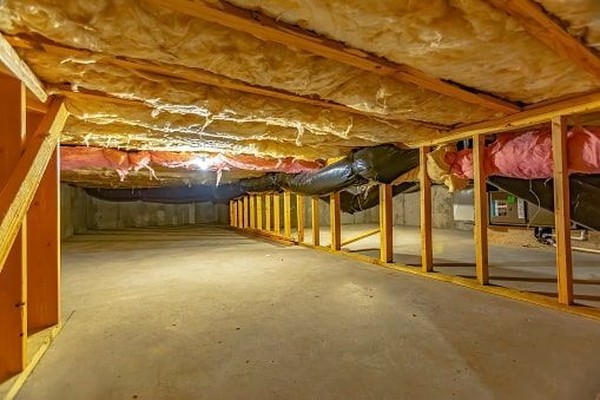

Better insulation directly lowers energy bills by improving how your home controls heat and airflow.Instead of constantly losing conditioned air, a well-insulated home maintains temperature more efficiently, reducing energy demand.
1. Reduces Heat Transfer
Heat naturally moves from warm areas to cooler ones. In winter, heat escapes from inside your home. In summer, heat enters from outside.Good insulation slows this process, keeping indoor temperatures more stable and reducing the need for constant heating or cooling.
2. Improves Air Sealing
Many homes lose energy through small gaps and cracks around walls, roofs, windows, and doors.
High-performance insulation-especially materials like polyurethane-can seal these gaps, preventing unwanted air leakage and drafts.
3. Reduces HVAC Workload
When insulation and air sealing improve, heating and cooling systems do not need to run as often.This reduces electricity consumption and also extends the lifespan of HVAC equipment.
4. Maintains Stable Indoor Temperatures
Better insulation helps avoid temperature fluctuations between rooms or during different times of the day.This creates a more comfortable living environment without overusing energy.
5. Minimizes Energy Waste
Without proper insulation, much of the energy used for heating or cooling is wasted.Improved insulation ensures that more of that energy stays inside the home, increasing overall efficiency.
|
Factor |
Effect on Energy Use |
Result |
|---|---|---|
|
Reduced heat transfer |
Less energy loss |
Lower bills |
|
Improved air sealing |
Fewer drafts |
Higher efficiency |
|
Lower HVAC usage |
Reduced electricity use |
Cost savings |
|
Stable temperature |
Less fluctuation |
Better comfort |
Why Polyurethane Insulation Stands Out
Polyurethane insulation stands out because it combines multiple performance benefits in a single material. It not only insulates but also seals air gaps, improving overall building efficiency.
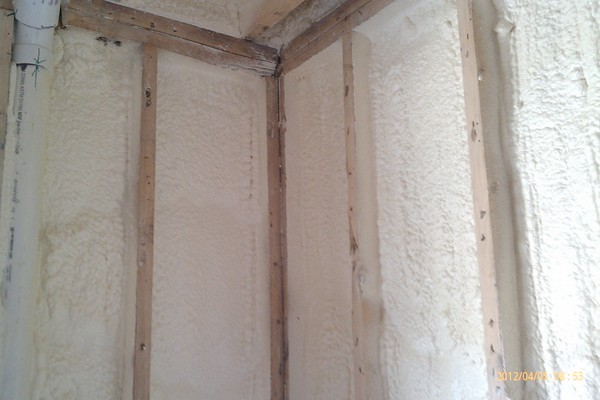
Unlike traditional materials, PU foam expands after application, filling cracks and irregular spaces that are often missed by other insulation types.
1. High Insulation Performance
Polyurethane provides strong thermal resistance even in thin layers.This makes it ideal for modern homes where space is limited but performance requirements are high.
2. Built-in Air Sealing
PU foam expands to create a continuous barrier that reduces drafts and air leakage.This improves real-world insulation performance, not just theoretical values.
3. Strong Moisture Resistance
Closed-cell polyurethane helps block water penetration and reduces condensation.This protects the structure and lowers the risk of mold and moisture damage.
4. Long-Term Stability
Unlike some traditional materials, PU insulation does not easily sag, shift, or degrade over time. This ensures consistent performance with minimal maintenance.
5. Adaptability to Different Applications
Polyurethane can be used in walls, roofs, basements, and even irregular structures.It works well in both new construction and renovation projects.
Quick Comparison
|
Feature |
PU Foam |
Fiberglass |
EPS |
|---|---|---|---|
|
Insulation |
High |
Medium |
Medium |
|
Air sealing |
Strong |
Weak |
Weak |
|
Moisture resistance |
Strong |
Weak |
Moderate |
|
Durability |
Long |
Medium |
Medium |
Real Impact: Energy Savings Over Time
Improving insulation can lead to noticeable reductions in energy bills. In many homes, savings can range from 10% to 30%, depending on insulation quality and climate.
Better insulation also reduces strain on HVAC systems. This can extend equipment life and lower maintenance costs over time.
In addition, energy-efficient homes often have higher resale value, making insulation upgrades a smart investment.
Additional Benefits Beyond Cost Savings
The benefits of better insulation go beyond energy savings.
Additional Advantages
- More consistent indoor temperature
- Improved living comfort in all seasons
- Reduced outside noise
- Better indoor air quality
- Lower risk of mold and moisture issues
These factors contribute to a healthier and more comfortable living environment.
How to Choose the Right Insulation Solution
Choosing the right insulation depends on several factors. Not all homes require the same solution.
Key Considerations
- Climate conditions (cold, hot, or humid regions)
- Areas with the highest energy loss
- Available space for insulation thickness
- Budget and long-term return on investment
Working with experienced contractors and reliable suppliers of PU materials and insulation systems can help ensure better results and long-term performance.
Better insulation is one of the most effective ways to reduce home energy costs. It improves comfort, reduces system strain, and enhances overall building performance.
Modern materials like polyurethane are helping homeowners achieve higher efficiency with less material and better long-term results.