


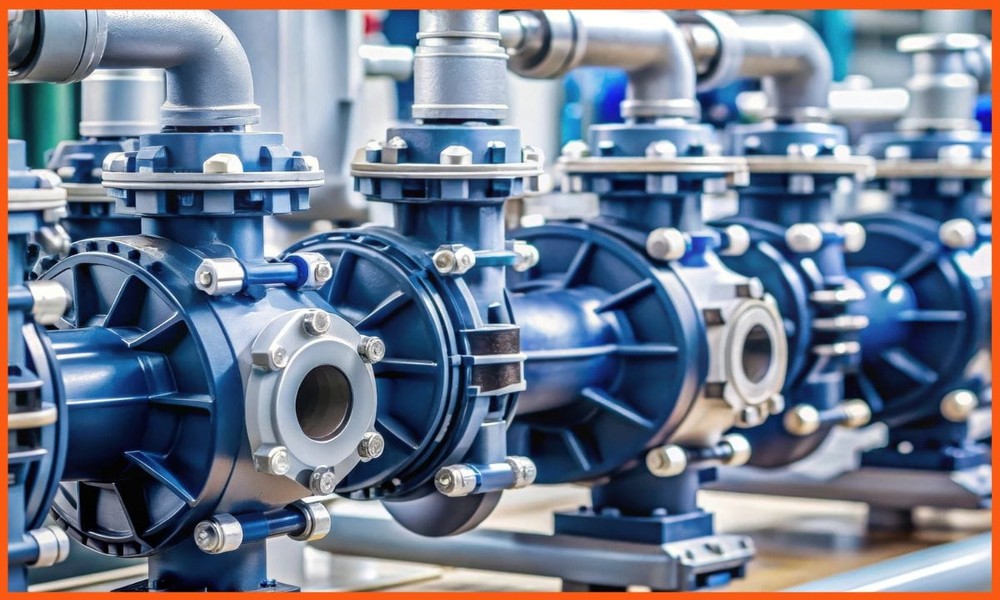
When it comes to heavy-duty pumping applications, CH&E diaphragms play a vital role in maintaining consistent performance and durability.
These components aren’t just rubber seals inside the machine-they’re the heartbeat of diaphragm pumps that handle abrasive fluids, muddy water, and even chemical mixtures.
Without a properly functioning diaphragm, even the most powerful pump can underperform, leak, or completely break down when under stress.
Understanding the Role of Diaphragms in Pump Systems
In any diaphragm pump, the diaphragm separates the air and liquid chambers.
It flexes back and forth, creating suction and discharge cycles that move fluid efficiently.
When the diaphragm material wears out, the pump loses pressure, flow rate drops, and cavitation may occur.
That’s why the right diaphragm isn’t just a part-it’s a safeguard for your entire pumping system.
The type of diaphragm material can vary depending on what’s being pumped.
Neoprene is popular for water and slurry, while nitrile handles oil-based fluids better.
Thermoplastic elastomers are often chosen for chemicals because of their resistance to corrosion and swelling.
Each material has its own lifespan, but a quality diaphragm is designed to balance flexibility with strength.
CH&E diaphragms are specifically built for rugged environments where pump reliability is non-negotiable.
They can endure fluctuating pressures, heavy solids, and corrosive liquids-conditions that destroy inferior parts in weeks.
What Makes These Diaphragms Stand Out
One key advantage lies in their resistance to fatigue cracking.
Most pump failures begin with small micro-tears that expand under pressure, eventually leading to leaks.
High-quality CH&E-style diaphragms are engineered to flex thousands of times without deforming.
That resilience means fewer replacements, less downtime, and reduced maintenance costs.
Another strength is their compatibility with a wide range of pump models.
From trash pumps on construction sites to agricultural water transfer systems, these diaphragms adapt seamlessly.
They’re not just interchangeable parts-they’re precision-fit components that maintain optimal vacuum and discharge pressure.
A Real-Life Example from the Field
A few years ago, a local contractor I worked with faced repeated pump shutdowns while dewatering a flooded construction site.
The issue? Standard rubber diaphragms kept tearing after only a few hours of operation in gritty water.
After switching to reinforced diaphragms with dual-layer construction, the same pump ran continuously for two weeks without failure.
That one change saved him a full day of lost labor costs each time the pump would’ve gone down.
It’s a simple example, but it shows how small components make a massive difference in real-world performance.
Material Innovation Behind the Design
Modern diaphragm engineering focuses heavily on material science.
It’s not just about thickness anymore-it’s about how fibers and polymers interact.
Some advanced diaphragms use a bonded fabric layer for tensile strength while keeping the surface flexible enough to move fluid smoothly.
Others integrate chemical-resistant coatings that prevent deterioration when exposed to diesel, oils, or solvents.
When tested under constant cyclic pressure, premium diaphragms can last three times longer than standard ones.
That longevity translates to better ROI, especially in industries where pump replacement or downtime is expensive.
Maintenance and Replacement Tips for Pump Owners
Even the best diaphragm will eventually wear out.
Regular inspection is key to catching early signs of failure-like surface cracking, thinning, or discoloration.
Replacing diaphragms before they rupture helps avoid contamination of internal components.
Keep a log of operating hours and check manufacturer guidelines for the expected lifespan based on your specific fluid type.
Another practical tip is to always replace both diaphragms at once if your pump uses a dual setup.
Uneven wear can cause imbalance, leading to noise, vibration, or reduced pumping efficiency.
And when installing new diaphragms, always clean the seating surfaces and apply a light coating of compatible lubricant to prevent sticking.
The Hidden Costs of Ignoring Diaphragm Wear
Many operators overlook diaphragm maintenance until it’s too late.
A damaged diaphragm doesn’t always fail instantly-it can leak slowly, allowing fluid to enter the air chamber.
Over time, that can corrode internal valves, weaken seals, and even damage the crankcase.
The cost of replacing a diaphragm early is minimal compared to the expense of rebuilding or replacing an entire pump assembly.
In one case, a small irrigation company ignored visible wear on their diaphragm pumps because they were still “working fine.”
Within a month, three pumps failed due to internal corrosion caused by fluid ingress.
Had they swapped the diaphragms proactively, they could’ve avoided a multi-thousand-dollar repair bill.
Environmental and Operational Benefits
Efficient diaphragms don’t just protect the pump-they also reduce environmental impact.
A well-sealed diaphragm minimizes fluid leakage, keeping hazardous materials from spilling into the soil or water supply.
In regions where environmental compliance is strict, that reliability can make or break a project.
Energy efficiency is another overlooked factor.
When a diaphragm holds proper pressure, the pump doesn’t have to work as hard to move the same volume of liquid.
That means lower fuel or electricity consumption and smoother overall performance.
Choosing the Right Replacement for Your Pump
Selecting a diaphragm isn’t just about matching the size or bolt pattern.
It’s about choosing the right material composition for your application.
If your pump handles slurry or sand, go for abrasion-resistant compounds.
For chemical transfer or wastewater, chemical-resistant synthetic rubber or PTFE-backed diaphragms perform best.
Always verify compatibility with the pump model and fluid type before installation.
Even slight mismatches in material or thickness can impact suction pressure or shorten lifespan.
It’s worth investing in high-quality replacements from reputable suppliers who test their products under real working conditions.
Final Thoughts
The performance and longevity of diaphragm pumps depend heavily on the quality of their diaphragms.
While it might seem like a minor detail, the right component determines how long your pump stays operational and how efficiently it runs.
From construction sites to wastewater plants, these flexible membranes are the unsung heroes keeping operations flowing smoothly.
A well-chosen diaphragm can transform pump reliability, reduce energy waste, and minimize costly repairs.
And in any industry where uptime equals profit, that’s an upgrade worth every penny.