


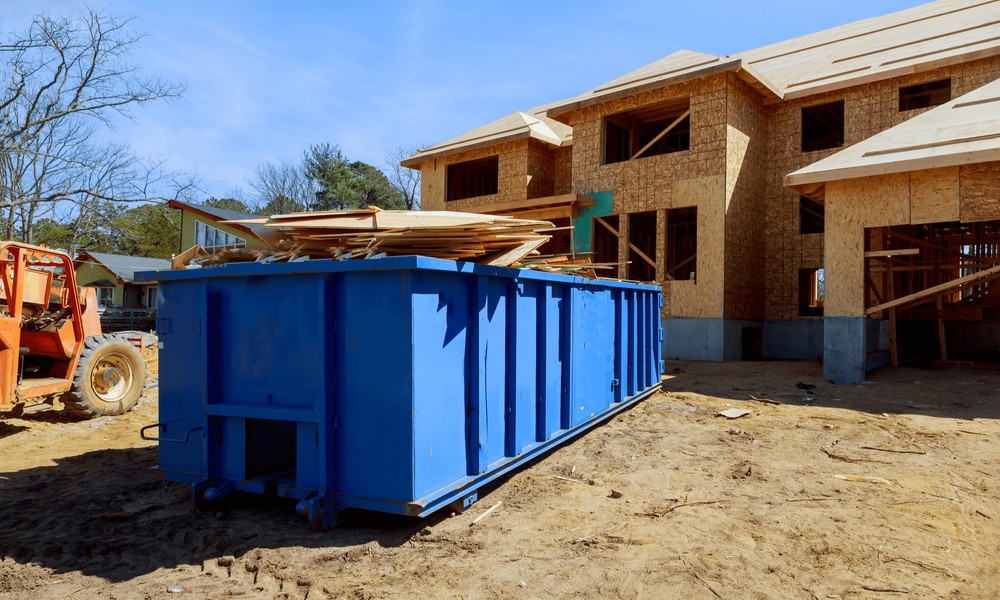
Garbage bin rentals are often the quiet hero behind a successful home renovation.
Anyone who has ever torn out an old kitchen cabinet or replaced a bathroom vanity knows that debris piles up faster than expected.
What begins as a small remodeling idea quickly turns into stacks of drywall, broken tiles, and bags of construction debris.
I remember helping a friend renovate his basement apartment a few years ago.
We thought a few contractor trash bags would handle everything.
Within two days, the driveway looked like a demolition site.
That experience taught me how valuable a proper waste container service like garbage bin rentals can be when tackling renovation waste.
Why Renovation Projects Create More Waste Than Expected
Most homeowners underestimate the amount of debris a remodeling project generates.
A simple flooring replacement can produce piles of old laminate, underlayment, nails, and dust.
Kitchen upgrades often include cabinets, countertops, packaging materials, and leftover construction supplies.
Even small bathroom renovations can fill multiple trash bags within a single afternoon.
The challenge is not just the amount of waste.
The real problem is where to put it.
Municipal garbage pickup rarely accepts construction materials in large quantities.
Some cities even limit how much bulky waste can be placed at the curb each week.
That leaves homeowners searching for practical disposal solutions.
Temporary dumpster services solve this problem by giving renovators a dedicated place to discard debris.
Everything from wood scraps to drywall pieces can go into a single roll-off container.
The result is a cleaner worksite and a smoother renovation timeline.
The First Time I Used a Waste Container During Renovation
The first time I saw a renovation dumpster in action was during a garage remodel.
A neighbor was converting his cluttered garage into a workshop.
He had scheduled a temporary dumpster delivery before starting demolition.
At first it seemed unnecessary.
After the first day of tearing down old shelving and removing cracked drywall, the container was already half full.
Instead of stacking trash around the yard, everything went straight into the container.
The driveway stayed clear, and work continued without interruption.
Watching that process completely changed how I approached renovation waste management.
The difference between organized disposal and chaotic debris piles is enormous.
The Convenience of Scheduled Waste Removal
One of the biggest advantages of a temporary waste container is predictable disposal.
You choose a drop-off date and a pickup date that matches the renovation timeline.
There is no need to make multiple trips to a landfill or transfer station.
That alone saves hours of labor and fuel.
A friend once attempted to haul construction debris in the back of his pickup truck.
He spent half a day driving back and forth between his house and the dump.
By the end of the project he had made six trips.
With a roll-off container on-site, that entire process disappears.
All debris goes into one place until it is hauled away in a single pickup.
That convenience allows homeowners to focus on the renovation itself instead of worrying about waste removal logistics.
Safety Benefits of Organized Construction Waste Disposal
Renovation sites can quickly become hazardous if debris is not handled properly.
Sharp nails, broken glass, and splintered wood often hide inside construction waste piles.
Leaving these materials scattered around a property increases the risk of injuries.
A designated waste container keeps dangerous debris contained in one location.
Contractors and homeowners can drop materials directly into the container instead of stacking them along walls or pathways.
This simple change dramatically improves job site safety.
During a recent deck replacement project I noticed how much easier it was to work when scrap lumber went straight into the container.
There were no loose boards to trip over and no piles of demolition waste cluttering the yard.
That level of organization speeds up the renovation process while reducing potential accidents.
Choosing the Right Size Waste Container
Not all renovation projects require the same type of container.
Small remodeling jobs may only produce a few cubic yards of debris.
Major home renovations, on the other hand, can fill large roll-off dumpsters quickly.
A kitchen remodel often needs a medium-sized container capable of handling bulky items like cabinets and countertops.
Whole-home renovations may require multiple containers or larger units designed for construction waste.
Estimating debris volume helps prevent the frustration of running out of space midway through a project.
Experienced contractors often recommend choosing slightly larger containers than expected.
This provides extra capacity for unexpected waste materials that appear during demolition.
Environmental Benefits of Proper Waste Sorting
Another advantage of temporary waste containers is improved recycling opportunities.
Many waste management providers sort renovation debris at specialized facilities.
Wood, metal, and concrete can often be separated and recycled instead of ending up in landfills.
This reduces the environmental impact of renovation projects.
During a home office remodel I noticed that most of the discarded materials were recyclable.
Metal brackets, aluminum trim pieces, and scrap wiring all had recycling value.
When waste is placed in a container designed for construction debris, these materials can be processed more efficiently.
Responsible disposal practices benefit both homeowners and the environment.
Keeping Renovation Projects on Schedule
Renovation timelines can quickly fall apart when waste piles become overwhelming.
Workers slow down when they need to constantly move debris out of the way.
Materials can become damaged if they are stacked improperly around a worksite.
A dedicated waste container keeps everything organized from day one.
Contractors can demolish, remove, and dispose of materials without interrupting the workflow.
The faster debris is removed, the faster the renovation progresses.
This is especially important for projects involving multiple contractors.
Electricians, plumbers, and carpenters often need a clean workspace to complete their tasks efficiently.
Removing waste regularly prevents unnecessary delays between project phases.
Planning Ahead for Renovation Waste Management
The smartest renovation projects start with a waste disposal plan.
Before the first wall is removed or the first cabinet is dismantled, homeowners should consider how debris will be handled.
This prevents last-minute scrambling for disposal solutions once demolition begins.
Temporary dumpster delivery is typically scheduled before renovation work starts.
The container arrives ready to accept debris immediately.
Having this system in place allows demolition crews to work quickly and safely.
It also keeps neighborhoods cleaner since construction waste is contained instead of scattered across driveways or sidewalks.
Homeowners who plan waste management early often find their renovations run smoother from start to finish.
The Hidden Cost Savings of Organized Waste Disposal
At first glance, renting a construction waste container may seem like an additional renovation expense.
In reality, it often saves money in the long run.
Multiple landfill trips require fuel, vehicle wear, and hours of labor.
Improper disposal can also lead to municipal fines in some areas.
Having a single container for all renovation debris eliminates these issues.
Contractors work faster, cleanup takes less time, and disposal happens efficiently.
When renovation timelines stay on track, homeowners avoid unexpected project delays that could increase costs.
In many cases the convenience and efficiency of a roll-off container easily outweigh the rental cost.
A Simple Solution That Makes Renovations Easier
Home renovations are exciting, but they are also messy.
Walls come down, old materials get removed, and debris appears almost instantly.
Trying to manage that waste without a proper disposal solution quickly becomes overwhelming.
Temporary dumpsters provide a straightforward answer to this challenge.
They keep worksites clean, protect safety, and simplify the entire renovation process.
After experiencing renovation projects both with and without organized waste disposal, the difference is clear.
Having a dedicated place for construction debris turns a chaotic renovation into a manageable project.
For homeowners planning remodeling work, a reliable waste container is one of the most practical tools available.