


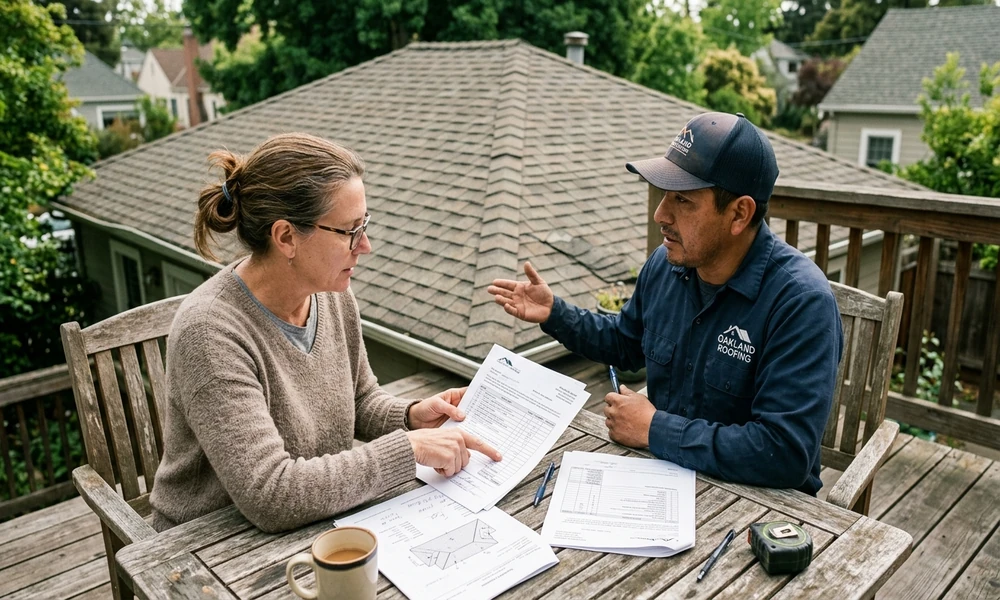
Picture three roof estimates spread across a kitchen table in Evans. Same house, same square footage, same week. One comes in at $11,800, another at $15,400, and the third somewhere in between. Most homeowners assume the cheapest crew is cutting corners or the priciest one is padding the bill. Sometimes that’s true. More often, the three contractors are simply quoting three different roofs.
The difference hides in the line items. Whether you end up hiring a roofing company in Augusta that walks you through free inspections and insurance paperwork, like the licensed, bonded and IKO ROOFPRO affiliated crew at that link, or someone else entirely, learning to read the estimate itself is the single best protection you have. Here is how that paperwork actually breaks down.
The Number at the Top Means Less Than You Think
Roofers measure in squares, and one square covers 100 square feet of roof surface. A 2,000 square foot ranch house doesn’t have a 20 square roof, though. Overhangs, pitch and extra features push the real number higher, often into the high 20s or low 30s.
Then comes the waste factor. Shingles get cut at every hip, valley and edge, so estimators add roughly 10 to 15 percent extra material. A simple gable roof sits at the low end. A two story house with dormers and several valleys sits at the high end, and the labor climbs with it because steep, high roofs need more safety gear and slower work.
Watch for the number of layers being torn off, too. Plenty of older homes around Augusta and Martinez have a second layer of shingles nailed right over the first. Removing two layers costs more in labor and disposal, and an estimate that ignores this will usually grow once the crew is on the roof.
What Lives Beneath the Shingles
Shingles get all the attention, but the components under them decide how long a roof really lasts. A thorough estimate names each one.
- Underlayment. Synthetic underlayment has largely replaced old felt paper because it resists tearing and handles heat better. If a quote just says “underlayment” without a type, ask.
- Self-adhering membrane. Georgia doesn’t see ice dams, but many installers still run this sticky waterproof layer in valleys and around chimneys and skylights, where water concentrates during heavy summer storms.
- Drip edge. This metal strip along the eaves and rakes guides water into the gutters and away from the fascia. Modern building codes call for it, and leaving it out is a common shortcut.
- Starter strips and ridge cap. Purpose-made starter shingles and ridge caps seal better in high wind than cut-up field shingles, which some crews use to save a few dollars.
The Line Item That Surprises Everyone
Nobody knows the condition of the wood decking until the old shingles come off. Because of that, good estimates include a per sheet price for replacing rotted or soft plywood or OSB, rather than a vague promise to “handle it if needed.”
This matters more than it sounds. A house with years of slow leaks around a vent pipe might need four sheets. One with a long neglected valley could need twenty. Knowing the rate ahead of time means there’s no negotiating in the driveway halfway through the job.
Metal, Boots and the Places Leaks Begin
Most roof leaks don’t start in the middle of a shingle field. They start where the roof meets something else, and that’s where the next group of line items lives.
Flashing is the metal that seals walls, chimneys and skylights to the roof. Some crews reuse old flashing to save time, which can work if it’s in good shape but often isn’t. Step flashing along sidewalls and counterflashing on brick chimneys deserve specific mention in the quote.
Pipe boots, the rubber collars around plumbing vents, crack after years of Georgia sun. Replacing them during a reroof costs very little, so an estimate that skips them is worth questioning.
Ventilation belongs here as well. Attics in the CSRA can bake well past 140 degrees in July, and trapped heat cooks shingles from underneath and shortens their life. A balanced system pairs intake vents at the soffits with exhaust at the ridge. If one contractor mentions ventilation and another doesn’t, that alone may explain part of the price gap.
Paperwork That Protects You
Augusta-Richmond County requires a building permit for re-roofing, and nearby counties have their own rules. The permit should appear on the estimate, and the contractor should be the one pulling it. A roofer who suggests skipping it is putting future home sales and insurance claims at risk.
Warranties come in two very different flavors. The manufacturer covers defects in the materials, and enhanced versions often require a certified installer using the brand’s full system of components. The workmanship warranty covers installation mistakes, and it comes from the contractor alone. Get the length of each in writing.
Also look for the payment schedule, the cleanup plan and whether a magnetic sweep of the yard for loose nails is included. A reasonable deposit is normal. Paying most of the total before materials arrive is not.
When Insurance Is Paying Part of the Bill
After hail or a tree strike, the insurer’s adjuster writes an estimate of their own. Many policies pay actual cash value first, which subtracts depreciation for the roof’s age, then release the held-back amount once the work is finished and documented. That’s why keeping every invoice and photo matters.
Legitimate supplements happen when a crew finds something the adjuster couldn’t see, like rotten decking. What shouldn’t happen is a contractor offering to “take care of” your deductible. That arrangement means misrepresenting the true cost to your insurer, which many states treat as insurance fraud, and it leaves the homeowner exposed.
Before signing any of those three estimates on the kitchen table, a few quick questions sort them out fast.
- Does each quote list the same underlayment, flashing and ventilation work?
- Is there a clear per sheet price for decking?
- Who pulls the permit?
- How long does each warranty last, and what does it actually cover?
Once the roofs being quoted are truly the same roof, the price differences usually shrink, and the right choice gets a lot easier to see.