


Potatoes have remained one of the most widely used ingredients in kitchens around the world for generations. Their versatility, affordability, and ability to complement different cuisines make them a staple in both traditional and modern cooking. From rustic family recipes passed down through generations to innovative restaurant dishes influenced by global food trends, potatoes continue to adapt to changing culinary styles.
Today, cooking potatoes involves a blend of classic preparation techniques and modern methods designed for convenience, healthier eating, and creative presentation. Understanding these approaches helps home cooks appreciate how potatoes continue evolving in contemporary food culture.
Traditional Potato Cooking Methods
Traditional potato dishes often focus on simplicity, comfort, and natural flavor. Many classic recipes rely on methods that have been used for decades because they consistently produce satisfying meals.
Boiling is one of the oldest and most common methods of preparing potatoes. It is widely used for mashed potatoes, soups, and salads. Traditional mashed potatoes, often made with butter and milk, remain a comforting side dish in many households. Boiled potatoes are also commonly paired with roasted meats and vegetable dishes in classic family meals.
Roasting is another timeless cooking technique. Potatoes roasted in ovens or wood-fired kitchens develop a crispy outer layer while maintaining a soft interior. Traditional roasted potatoes are often seasoned with herbs, garlic, and simple spices, creating flavors that feel familiar and comforting.
Frying has also played a major role in potato preparation across cultures. From homemade potato wedges to classic fries, fried potatoes became popular because of their satisfying texture and rich taste. Many traditional recipes use cast-iron pans or deep-frying methods that emphasize crispiness and flavor.
Baking potatoes whole is another longstanding culinary practice. Baked potatoes became especially popular because they are easy to prepare and can be customized with toppings such as cheese, sour cream, vegetables, and meats. Their simplicity made them a practical meal option for families.
Cultural Influence On Potato Cooking
Traditional potato cooking varies significantly depending on regional and cultural preferences. In some countries, potatoes are included in hearty stews and soups, while in others they are turned into dumplings, pancakes, or layered casseroles.
European cuisines often feature potatoes in roasted and creamy dishes designed for colder climates. In Asian cooking, potatoes are frequently included in spiced curries and stir-fried recipes. Latin American dishes may use potatoes in fillings, baked meals, or savory snacks.
These cultural influences demonstrate how potatoes can adapt to different flavors and preparation techniques while remaining an essential ingredient across cuisines.
The Rise Of Modern Potato Cooking Techniques
Modern cooking approaches have introduced faster, healthier, and more creative ways to prepare potatoes. As lifestyles became busier, cooking methods evolved to save time while maintaining flavor and texture.
Air frying has become one of the most popular modern potato cooking methods. Air fryers use hot circulating air to create crispy textures with less oil compared to traditional deep frying. This appeals to people looking for healthier alternatives without sacrificing taste.
Microwave cooking has also gained popularity for its convenience. Potatoes can now be prepared in minutes, making them suitable for quick lunches and busy weekday meals. Microwave techniques are often combined with modern toppings and seasonings to create fast but flavorful dishes.
Modern kitchens also rely heavily on advanced seasoning combinations and global flavor inspiration. Potatoes are now commonly paired with ingredients such as truffle oil, smoked spices, parmesan, chili sauces, and herb blends that were less common in traditional home cooking.
Creative Presentation In Contemporary Cuisine
Modern food trends place significant emphasis on presentation and dining experience. Potatoes are no longer viewed only as side dishes. Instead, chefs and home cooks increasingly use them as the centerpiece of visually appealing meals.
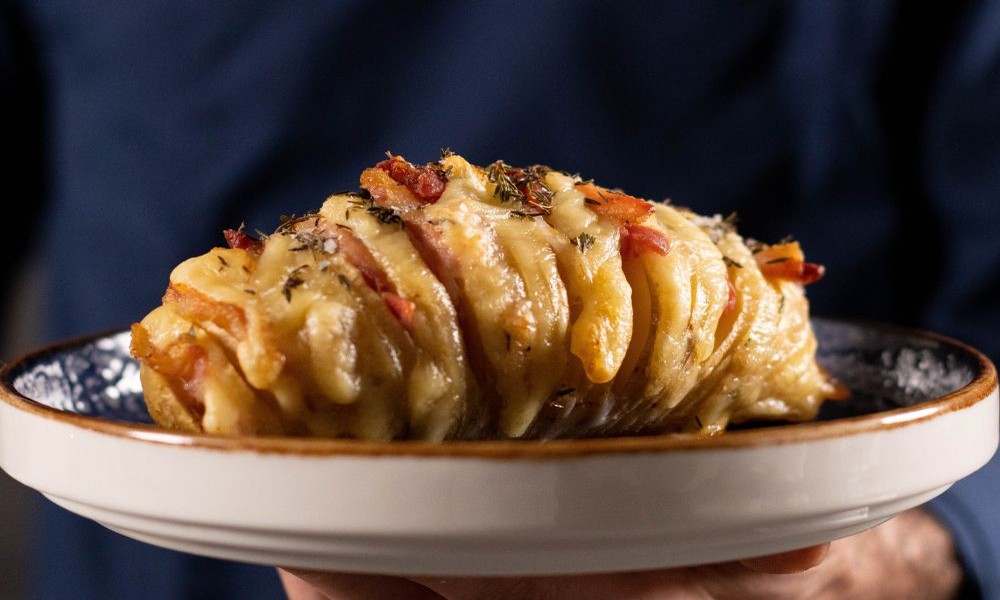
Layered potato dishes, spiral-cut potatoes, loaded fries, and gourmet mashed potato creations have become popular in restaurants and social media food culture. These presentations combine creativity with familiar comfort food elements.
Contemporary cooking also focuses on texture contrast. Many modern potato recipes combine crispy exteriors with creamy interiors or mix roasted potatoes with fresh herbs and sauces for more complex flavor experiences.
This creative evolution has helped potatoes remain relevant in modern dining despite changing food trends.
Health-Conscious Approaches To Potato Cooking
Modern cooking styles also reflect growing awareness of nutrition and balanced eating habits. Many people now seek healthier methods for preparing potatoes while still enjoying their flavor and versatility.
Steaming and air frying are commonly chosen to reduce excess oil use. Some recipes replace heavy cream and butter with yogurt, olive oil, or plant-based alternatives for lighter potato dishes.
Portion control and ingredient quality have also become more important in modern cooking. Fresh herbs, natural seasonings, and vegetable-based toppings are increasingly used to create healthier meals that still feel satisfying.
At the same time, potatoes continue to provide valuable nutrients such as potassium, vitamin C, and fiber when prepared thoughtfully.
The Lasting Popularity Of Potatoes
The continued popularity of potatoes comes from their remarkable flexibility. Traditional methods offer comfort, familiarity, and cultural connection, while modern techniques introduce convenience, healthier preparation, and culinary creativity.
Whether served in a classic roasted dish or transformed into a modern gourmet creation, potatoes continue to adapt to changing food preferences without losing their universal appeal. Their ability to fit into both traditional family meals and innovative contemporary cuisine ensures they will remain an essential ingredient for generations to come.