
Every day, bathroom drains handle a lot of water and garbage. Water is continually flowing through pipes that most homes seldom think about, from morning showers and washing hands to shaving and cleaning. When everything goes well, drainage is nearly unperceived. But a sluggish basin, standing water in the shower, or a foul smell all soon tell you that something is amiss.
Bathroom drain clogs don’t usually occur overnight. They progressively accumulate from the ordinary substances that build up in the plumbing. Knowing the main reasons may help families see issues early and avoid the risk of a total blockage.
Shower Drain Hair Buildup
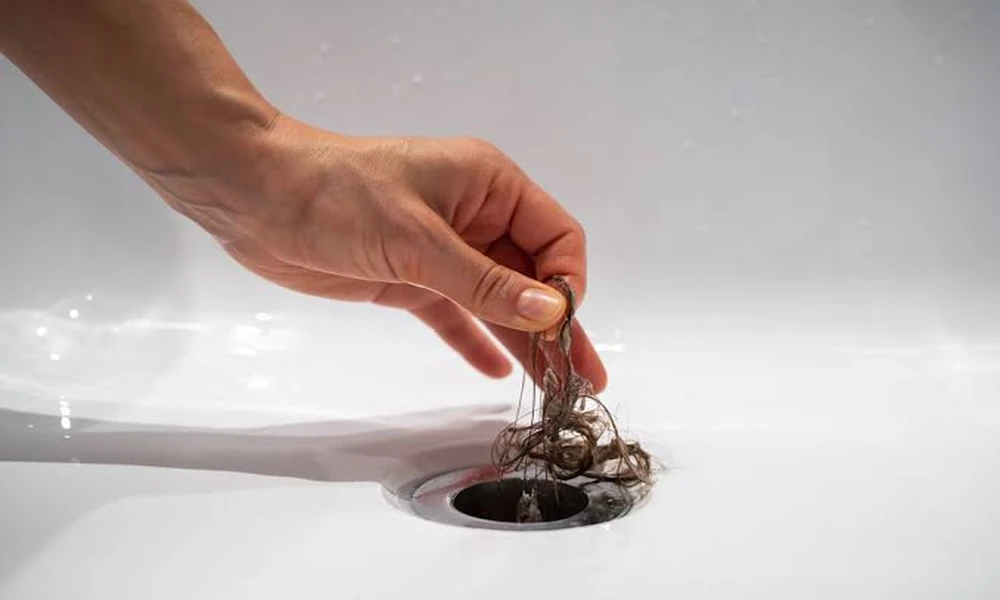
Hair is one of the most prevalent reasons for drain difficulties in the bathroom. Loose strands shed naturally after washing, bathing, combing and grooming. Some hair makes its way through the plumbing system, but some strands become caught around the drain hole or in the pipe.
Over time, the hair that is trapped may mix with soap and other debris to produce a thick blockage. The issue is hard to see since water could drain only a little bit slower than usual at first. Over time, the accumulation may severely limit water flow and cause water to pool around the shower or tub.
A simple drain catcher and frequent removal of the hair that is gathered may help restrict the quantity that gets into the pipes.
Soap Residue Inside The Pipes
Soap can appear innocuous since it’s used with water, but certain soaps might create difficulties with drainage. Over time, residues from conventional soap products may build up on the inside of pipes.
This residue may collect hair, dirt, skin particles and other things. The more trash becomes stuck, the less room there is for water to flow through.
Bathroom cleaning methods should also involve attention to drains rather than just visible surfaces. Keeping the drain open may help decrease some of the build-up, but if there are established clogs farther down the plumbing, it’s time to call in the pros.
Products You Should Never Flush
Toilets are intended to cope with human waste and proper toilet paper. Unfortunately, many common bathroom items are flushed, but they do not break down adequately in the plumbing system.
Wipes, cotton buds, sanitary goods, tissues, dental floss and the like may block pipes. Some materials promoted as handy for bathroom disposal might cause difficulties if they do not break down quickly enough.
Households may help limit this danger by having a trash container handy and making sure everyone knows what can and cannot be flushed.
Toothpaste & Grooming Products
Bathroom basins are more than just a water place. Toothpaste, shaving tools, cosmetics, face cleansers and other personal care goods often go down the drain.
Small quantities may not seem like much, but frequent dumping might mean residue within the drain. Shaving hair may sometimes cause further problems by becoming caught in sticky deposits.
This way, the drainage system will work more efficiently. So when you use the basin, run enough water and don’t directly dispose of thick items.
Deeper Problems Of The Drainage System
Sometimes the bathroom is just where a bigger drainage issue shows itself. A clog farther down the pipeline might impact many fixtures simultaneously.
North Shore homes should not disregard danger indicators such as many sluggish drains, frequent clogs, strange gurgling noises or wastewater backing up. Contacting your go-to plumber on the North Shore may assist in determining if the blockage is situated deeper within the drainage system if simple cleaning does not cure the problem.
If the obstruction recurs again and again, professional examination might be very useful. Cleaning the closest stuff to the drain hole may help temporarily, but it won’t solve the fundamental problem.
Early Detection Of Drainage Problems
Bathroom drain issues usually have several warning signals before they become total clogs. Bubbles, bad drain smells, and shifting toilet water levels are all worth paying attention to; water will take longer to go away.
Homeowners should also be careful about using strong chemical drain cleaners again and again. Where the blockage is and what is causing it is what the right remedy hinges on, and trying a few fast repairs may not solve a plumbing problem that has been there for a while.
How To Keep Bathroom Drains Flowing
Most bathroom drain clogs are caused by everyday actions, not unexpected plumbing occurrences. Hair, soap, personal care products, inappropriate substances flushed down, and progressive build-up may all influence drainage over time.
Simple preventative practices may make a difference. To safeguard the plumbing system, catch loose hair, put bathroom waste in the trash, watch for sluggish drainage, and act early on recurring issues. Looking out for these common reasons means drain maintenance can be a regular element of home care, not only something you think about when water refuses to run.