
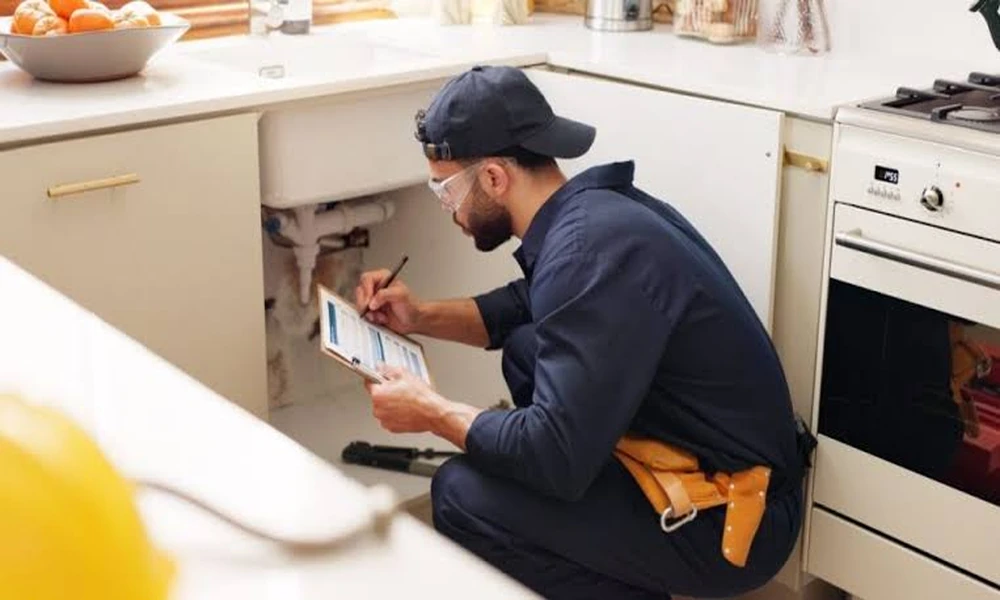
Although plumbing systems are among the most crucial components of any house, the skill needed to construct and maintain them is sometimes disregarded. Every water supply, drainage system, and plumbing fixture that operates correctly is the result of a mix of technical expertise, safety regulations, and conscientious craftsmanship. Inadequate plumbing procedures might result in issues that go unnoticed for years before requiring costly repairs. Property owners may make wise judgments and safeguard their interests by being aware of professional credentials, plumbing laws, and responsibility.
Professional Qualifications Matter More Than Experience Alone
Plumbing is considerably more than just fixing broken fixtures or joining pipes. Water pressure, drainage principles, pipe materials, ventilation needs, and the relationships between various plumbing components are all things that professionals need to know. Accurate measurements, technical computations, and knowledge of installation techniques are also necessary for their task.
Property owners may obtain someone who has fulfilled the necessary license criteria by hiring a Licensed Plumber in Houston. In most cases, obtaining a license requires proving technical proficiency via authorized training, tests, or other legal criteria. Instead of depending just on unofficial experience, these credentials help demonstrate that a professional is aware of fundamental plumbing procedures.
But in addition to actual abilities, credentials should be assessed. A skilled plumber can discover installation techniques fit for a property’s current infrastructure, suggest acceptable materials, and discuss possible issues.
Plumbing Codes Set Crucial Safety Requirements
Plumbing regulations include technical specifications meant to safeguard structures, water sources, and people. Important issues such as pipe size, drainage slopes, fixture connections, backflow prevention, and adequate ventilation are all addressed.
For instance, poorly designed drainage lines may cause wastewater to build up rather than move effectively. Similarly, when undesirable materials get into a potable water system, insufficient backflow control may lead to contamination problems.
While encouraging uniform installation quality, adhering to appropriate codes lowers these hazards. Depending on the building type, plumbing activity, and regulatory authority, different requirements may apply. Permits and inspections are also necessary for certain projects before the work is deemed finished.
Property owners need to realize that adhering to the code is more than just a formal administrative requirement. It is crucial to guarantee that plumbing systems function securely in typical circumstances.
Clear Communication Is The First Step To Accountability
Before anybody ever takes up a tool, professional responsibility begins. Property owners should be given a thorough description of the issue, the suggested fix, and the anticipated extent of the work.
A trustworthy plumber should explain if a repair entails changing a single part or altering a bigger portion of the system. Written estimates may make labor costs, material prices, and any extra expenditures more understandable.
Customers may confirm professional qualifications via the appropriate licensing authorities when working with a Licensed Plumber in Houston. This offers an extra method of assessing qualifications prior to approving major repairs.
Throughout the project, clear communication promotes responsible decision-making and helps avoid misunderstandings.
Property Owners Are Protected By Appropriate Documentation
When a property undergoes renovations, changes ownership, or has ongoing maintenance issues, plumbing records are very important. Inspection reports, permits, invoices, equipment specs, and warranty details are examples of documentation.
Future experts may use these data to learn which parts were installed, when repairs were made, and if earlier changes had an impact on the current system.
Documentation may also show if necessary inspections were completed for bigger projects. Keeping well-organized records lowers uncertainty during future plumbing work and facilitates the investigation of recurrent problems.
Quality Workmanship Requires More Than Code Compliance
Excellent craftsmanship is not always ensured by fulfilling the bare minimum technical standards. Careful planning, the right choice of materials, and attention to detail are all important factors in installation excellence.
To avoid needless movement and stress, pipes, for example, need to be adequately supported. While accessible components should continue to be fairly easy for future maintenance, connections should be constructed in accordance with manufacturer standards.
The interaction between new plumbing installations and current systems should also be assessed by a specialist. Unexpected pressure fluctuations or drainage issues may result from replacing a single component without taking into account the surrounding infrastructure.
Before the project is deemed complete, thorough testing after installation helps find leaks, incorrect connections, and operational flaws.
Conclusion
Technical credentials, relevant safety regulations, meticulous craftsmanship, and professional responsibility are all necessary for proper plumbing work. Every component helps create a system that works well and is simpler to maintain over time. Property owners may make more certain choices by confirming qualifications, asking for clear documents, and understanding compliance standards. In the end, good plumbing procedures safeguard more than just fixtures and pipelines. They promote long-term structural value, reliable everyday operations, and property safety.