
Climb into a North Texas attic on a July afternoon and you will understand the problem within seconds. Temperatures up there can climb well past 130 degrees, and in thousands of homes across the Dallas and Fort Worth suburbs, that is exactly where the air handler, the evaporator coil and most of the ductwork live. The coldest air in the house spends part of its trip traveling through the hottest space on the property.
Technicians who work in Carrollton and the surrounding suburbs, including the crews behind Travis HVAC, see the effects of that layout every summer on both homes and light commercial buildings. The patterns repeat so reliably that most homeowners can learn to spot them without any special tools, and knowing them makes every conversation with a contractor more productive.
Builders in the region have put equipment in attics for decades because it frees up closet space and keeps noise away from living areas. The tradeoff is that the system works harder than its rating suggests, and small defects that would barely matter in a cool basement become expensive in a superheated attic.
Cold Air Takes the Long Way Through a Hot Space
Think of a supply duct as a straw carrying iced tea across a hot parking lot. Even when the straw is insulated, some heat soaks through on the way. When the straw also has gaps at its joints, conditioned air escapes into the attic while hot attic air can be pulled into the return side and sent straight back to the coil.
Leaky ducts are one of the most common reasons a home feels uneven or costs too much to cool. The ENERGY STAR duct sealing guidance points out that a well designed and properly sealed duct system improves comfort, efficiency and safety at the same time. In an attic setting, that benefit grows because every leak dumps cooled air into the worst possible place.
Where the Losses Usually Hide
Duct problems rarely announce themselves with a single dramatic failure. They tend to collect in predictable spots, and a careful look with a flashlight (from the attic decking, never by stepping between joists) can reveal several of them:
- Ceiling boots, where the duct meets the register, often have gaps that let air slip into the insulation instead of into the room.
- Flexible duct runs sag between supports or get crushed under stored holiday boxes, which chokes airflow to the rooms at the end of the line.
- Connections at the supply plenum loosen over years of expansion and contraction as attic temperatures swing.
- Return ducts with torn liners pull in hot, dusty attic air, which raises the load on the coil and leaves a fine film of dust inside the home.
- The filter slot near the air handler sometimes sits open or poorly covered, letting unfiltered air bypass the filter entirely.
Old cloth duct tape is a telltale sign of past repairs that likely failed. Professionals seal joints with mastic or foil tape rated for the job, because ordinary duct tape dries out and lets go in attic heat.
The Water Problem Overhead
Cooling removes moisture from indoor air, and that water has to go somewhere. An attic air handler sends condensate through a drain line, usually with a primary pan under the coil and a secondary pan beneath the whole unit as a backup.
The secondary pan is where trouble often shows first. Algae and sludge can clog the primary drain, water overflows into the backup pan, and if that pan lacks a float switch or its own drain, the next stop is the drywall below. Brown rings on a hallway ceiling near the attic access are a classic sign. Many systems now use a safety switch that shuts the cooling off when water rises, which is annoying in the moment but far cheaper than a ceiling repair. Seeing standing water or rust in the backup pan is worth a service call even if the house still feels cool.
Equipment Living in an Oven
Electrical components age faster when they bake. Capacitors in the outdoor unit get most of the blame for summer breakdowns, but control boards, blower motors and wiring in attic air handlers also suffer from repeated heat cycles. Insulation on the refrigerant suction line tends to crack and fall away, which lets the cold copper sweat and drip onto the ceiling.
Many North Texas homes also pair the attic air handler with a gas furnace for winter. That means a combustion appliance sits in an enclosed space, and its venting, gas connections and flame sensor need regular attention. A carbon monoxide alarm on each floor is a sensible companion to any attic furnace.
Fixes That Target the Attic Itself
Replacing a tired system can help, but new equipment in the same leaky, overheated attic will still lose ground. The better results usually come from treating the attic and the ducts as part of the system.
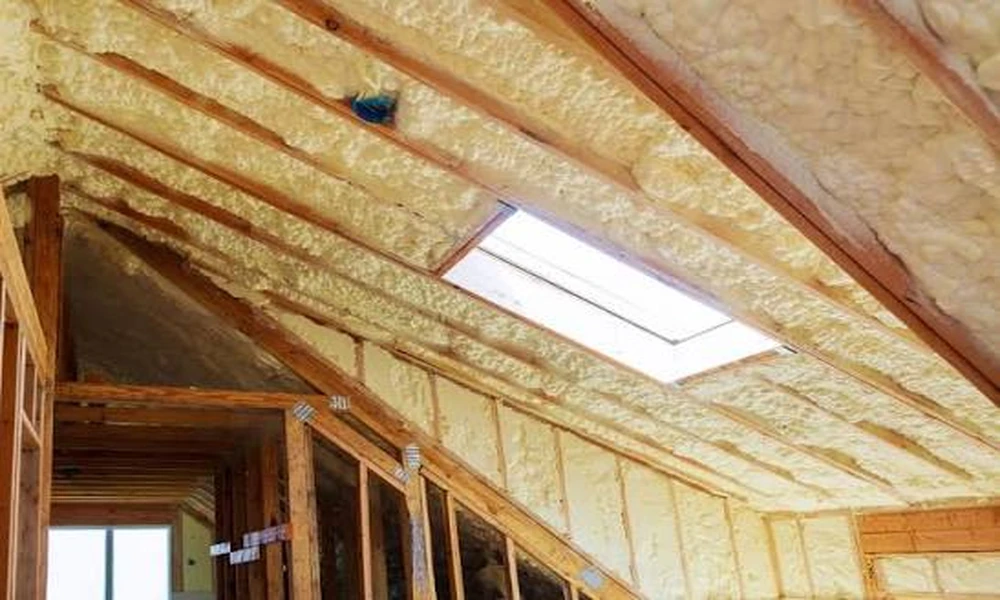
Sealing and insulating ductwork often delivers the biggest gain per dollar. Adding attic insulation to a proper depth slows heat moving down into living spaces. Radiant barriers can reduce how hot the attic gets, though the benefit depends on roof design and ventilation. Some owners go further and convert to a sealed attic with spray foam on the roof deck, which brings the ducts inside the thermal envelope. That approach can work very well, yet it changes how the house handles moisture and should be designed by someone who understands building science rather than added as an afterthought.
When hiring help for duct work, ENERGY STAR suggests asking the contractor to inspect the whole system, seal and insulate accessible ducts and run a combustion safety check after sealing if gas appliances are present. Those details separate a real repair from a quick patch.
Reading the Clues Inside Your Home
Your living spaces often tell the attic’s story before you ever open the access hatch. A bedroom at the far end of the house that never cools down, an upstairs that runs several degrees warmer than downstairs, a system that seems to run all afternoon without reaching the thermostat setting, and dust that returns days after cleaning all point toward duct losses or airflow problems overhead.
Rising summer bills with no change in habits deserve the same suspicion. So does a musty smell when the system starts, which can hint at moisture around the coil or drain.
None of these signs means the equipment is failing. More often, the system is doing its job well and losing a share of its work to the space it lives in. Once you see the attic as part of your cooling equipment rather than just storage above the ceiling, the path to a cooler, steadier home becomes much clearer, and the next Texas summer feels a lot less like a fight.