
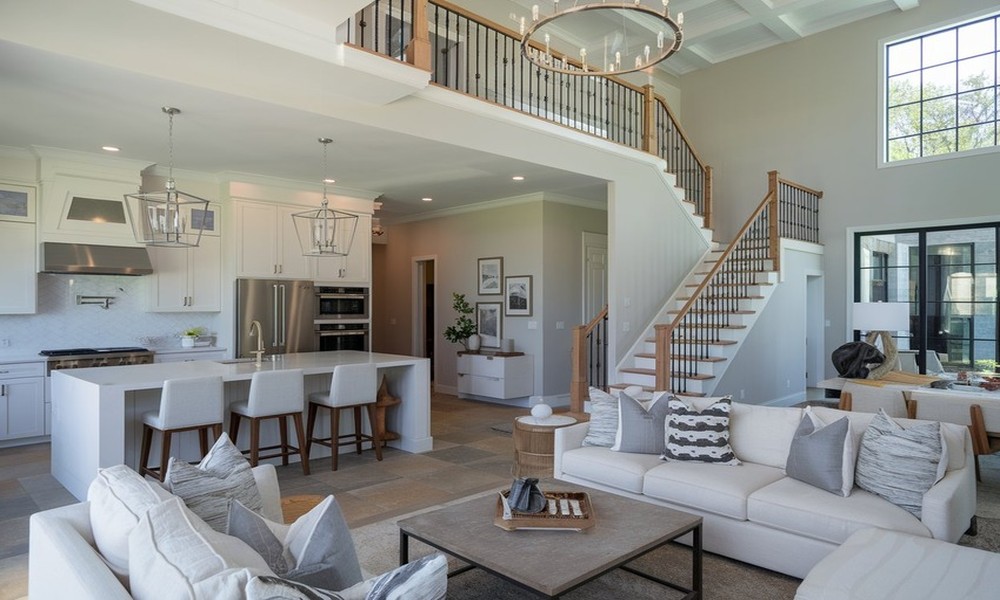
An interior designer Santa Monica homeowners rely on can transform a property from an ordinary coastal house into a refined living space that attracts buyers and increases long-term value.
Santa Monica homes sit in one of the most competitive real estate markets in California, where design quality directly influences resale potential.
A well-planned interior layout, carefully selected materials, and cohesive styling often determine whether a property sells quickly or lingers on the market.
Many homeowners assume interior design is only about aesthetics, but the reality is far more strategic.
Professional designers consider space planning, lighting balance, architectural flow, and lifestyle functionality when shaping a home.
These elements quietly influence how people emotionally connect with a space the moment they walk through the door.
I once visited a small coastal bungalow near Montana Avenue that had been recently redesigned before listing.
The property itself was modest, yet every room felt intentionally crafted.
Natural light flowed through carefully positioned mirrors, warm wood textures softened the modern architecture, and the furniture scale perfectly matched the square footage.
The home sold within days.
That experience highlighted how thoughtful interior design can dramatically impact perceived property value.
For homeowners planning renovations or preparing for resale, working with a professional designer can be one of the smartest investments.
To understand the typical process, many homeowners review guides such as this resource about working with an interior designer Santa Monica homeowners often consult before starting a project.
How Strategic Interior Design Influences Real Estate Value
Interior design directly affects how buyers perceive a home’s quality and livability.
A thoughtfully designed home communicates care, craftsmanship, and intentionality.
Buyers notice subtle details such as lighting placement, room flow, and furniture scale, even if they cannot explain why the space feels comfortable.
When those elements work together, the property instantly feels more valuable.
Real estate agents frequently mention that buyers make emotional decisions within the first few minutes of entering a home.
Interior designers understand this psychology and create spaces that guide attention naturally from one focal point to another.
A balanced layout encourages movement through the home while highlighting its strongest architectural features.
In Santa Monica, where coastal architecture blends with modern luxury, design choices must respect both lifestyle and location.
Open living areas, soft neutral palettes, and natural textures often resonate strongly with buyers seeking a relaxed California atmosphere.
These design strategies create visual harmony while reinforcing the coastal identity that defines the neighborhood.
Space Planning That Makes Every Square Foot Work Harder
One of the most valuable services a residential designer provides is strategic space planning.
Many homes technically have enough square footage but fail to use it effectively.
Poor layouts can make rooms feel cramped, awkward, or disconnected from the rest of the home.
Professional designers analyze traffic flow, furniture placement, and architectural structure before recommending improvements.
Even small adjustments can transform how a space functions.
For example, repositioning a sofa to align with natural light can make a living room feel twice as spacious.
Removing unnecessary partitions can open sightlines and allow rooms to breathe.
I once helped a friend rearrange a narrow living room in a Santa Monica apartment simply by rotating the seating layout and replacing bulky furniture with slimmer pieces.
The room suddenly felt larger and more comfortable without changing the structure at all.
That simple change reflected the same design thinking professionals apply to larger projects.
Effective space planning ensures every square foot supports both functionality and visual balance.
Materials and Finishes That Elevate Perceived Quality
Interior finishes quietly influence how buyers judge a property’s value.
Materials such as stone countertops, natural wood flooring, and custom cabinetry communicate durability and craftsmanship.
These features create an impression of long-term quality that resonates with prospective buyers.
Design professionals carefully curate materials to balance luxury with practicality.
For example, engineered hardwood may be selected for its durability in high-traffic areas while maintaining the warm appearance of natural wood.
Stone surfaces such as quartz or marble often anchor kitchens and bathrooms with a sense of permanence.
Texture also plays a crucial role.
Layering materials such as linen, leather, and ceramic introduces subtle visual depth that makes interiors feel sophisticated rather than flat.
This layering approach is a hallmark of thoughtful residential design.
The result is a space that feels elevated without appearing overly staged.
Lighting Design That Shapes the Entire Atmosphere
Lighting is one of the most underestimated elements in home design.
Many homeowners rely solely on overhead fixtures without considering how light influences mood and perception.
Professional designers approach lighting as a layered system.
Ambient lighting provides overall brightness.
Task lighting supports functional areas such as kitchens or workspaces.
Accent lighting highlights architectural details and decorative elements.
When these layers work together, a home feels welcoming and balanced.
I remember walking through a Santa Monica condo where recessed lighting had been carefully positioned to illuminate artwork while soft wall sconces warmed the hallway.
The difference was immediate.
The home felt polished and thoughtfully designed even before noticing the furniture or finishes.
Lighting choices like these subtly increase a home’s perceived value by creating an inviting environment.
Cohesive Style Creates Emotional Connection
Interior design is ultimately about creating a sense of cohesion.
Homes that mix unrelated styles often feel visually confusing.
A designer helps define a consistent design language that flows from room to room.
In Santa Monica, this often means combining modern coastal aesthetics with relaxed California influences.
Soft color palettes, organic textures, and clean architectural lines create a calm and refined environment.
When buyers experience that cohesive atmosphere, they imagine themselves living comfortably within the space.
This emotional connection can significantly influence purchase decisions.
It turns a property from simply a house into a place that feels like home.
Renovation Guidance That Prevents Costly Mistakes
Many homeowners attempt renovations without professional guidance and later discover expensive design mistakes.
Poor material choices, awkward layouts, or mismatched finishes can reduce property appeal.
Interior designers help avoid these problems by planning projects strategically before construction begins.
They evaluate how design decisions will affect both daily living and future resale value.
This forward-thinking approach often saves homeowners significant time and money.
During one renovation project I observed in Santa Monica, a homeowner initially planned to remove several walls to create an open layout.
A designer instead recommended widening two openings rather than demolishing the structure entirely.
The solution preserved architectural character while achieving the same open feeling at a fraction of the cost.
Smart design decisions like that protect the home’s integrity while maximizing investment.
Why Professional Design Matters in Competitive Coastal Markets
Santa Monica’s real estate environment rewards homes that feel thoughtfully designed and move-in ready.
Buyers often compare multiple properties within the same neighborhood, making visual impact critical.
Interior design enhances that first impression by presenting the home in its best possible light.
When a property feels comfortable, cohesive, and functional, buyers naturally assign greater value to it.
Designers understand how to highlight architectural strengths while minimizing weaknesses.
They transform ordinary interiors into spaces that reflect lifestyle, comfort, and sophistication.
For homeowners considering renovations or preparing to sell, thoughtful design can quietly elevate both livability and financial return.
A carefully planned interior does more than beautify a home.
It strengthens its market position, enhances everyday living, and creates a lasting sense of place within one of California’s most desirable coastal communities.