
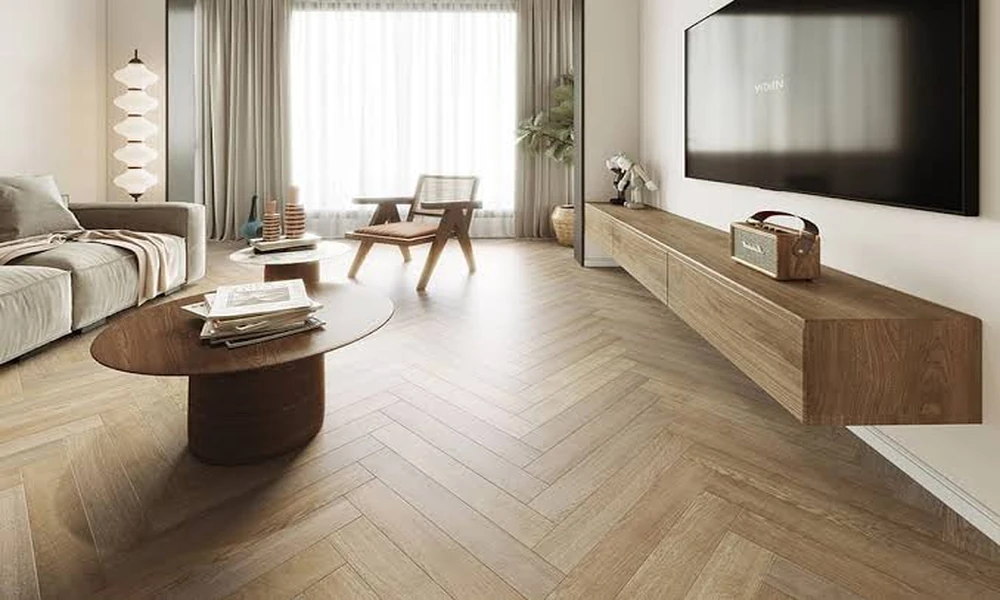
Flooring has a major influence on how a home looks, feels, and functions. While genuine timber has long been appreciated for its natural character, modern households often need surfaces that can withstand fluctuating temperatures, regular foot traffic, spills, furniture movement, and everyday cleaning. This has encouraged homeowners to explore flooring that captures the visual warmth of wood while offering performance features suited to contemporary living.
Modern hybrid flooring reflects this shift. Rather than focusing entirely on appearance, it combines timber-inspired finishes with practical construction, giving homeowners more flexibility when planning comfortable and attractive interiors.
Capturing The Character Of Natural Timber
One reason timber remains popular is that it brings visual warmth into a room. Grain patterns, subtle variations, and natural-looking tones can prevent an interior from appearing overly plain or artificial. However, homeowners do not necessarily need traditional hardwood to achieve this effect.
Contemporary flooring manufacturing can reproduce detailed timber patterns across a wide range of finishes. From pale and understated shades to deeper tones with stronger grain definition, homeowners can select a surface that complements their preferred interior direction.
Options such as wonderwood floors can be considered by people who want to introduce a timber-inspired appearance while also thinking about the practical requirements of everyday household spaces.
Performance Goes Beyond Surface Appearance
A floor may look impressive when first installed, but its long-term performance is equally important. Different rooms expose flooring to different challenges. Entryways experience dirt and frequent footsteps, dining areas may encounter spills, while living spaces regularly deal with Moving Chairs, toys, pets, and heavy furniture.
This makes construction and surface performance important considerations during flooring selection. Homeowners should think about resistance to everyday wear, dimensional stability, cleaning requirements, and suitability for the intended room rather than making a decision based only on colour.
A well-chosen floor should continue supporting the household after the initial visual impact of a renovation has passed.
Creating Continuity Between Rooms
Modern houses increasingly feature connected kitchens, dining rooms, and living areas. Using dramatically different flooring materials throughout these spaces can interrupt the visual flow of the home.
Timber-inspired flooring offers an opportunity to establish continuity. Running a consistent finish through connected areas can make the layout appear more unified and may even help smaller interiors feel more spacious.
Colour selection becomes particularly important here. Lighter flooring can contribute to an open and relaxed atmosphere, while medium and darker tones may add depth and contrast. Homeowners should also consider cabinetry, wall colours, natural light, and furniture before settling on a final finish.
Practicality For Changing Household Needs
Flooring is usually expected to remain in place for years, while the way a household uses its rooms may change considerably. A spare bedroom might become a home office, a quiet living room could become a children’s play area, or furniture layouts may change several times.
Choosing flooring with versatility in mind can make these transitions easier. Instead of selecting a highly specialised surface for one temporary purpose, homeowners can look for materials capable of supporting different uses over time.
Maintenance also deserves attention. Floors that are straightforward to clean can reduce the effort required to keep busy areas presentable. Following the manufacturer’s care recommendations remains important because cleaning requirements can differ between flooring products.
Looking Beyond Current Interior Trends
Trends can provide useful inspiration, but flooring decisions should not depend entirely on what is fashionable at the moment. Floors cover a substantial portion of the visible interior, making them expensive and inconvenient to replace whenever design preferences change.
Neutral timber-inspired finishes can provide a flexible foundation for evolving interiors. Furniture, rugs, artwork, and wall colours can then be changed without necessarily replacing the flooring itself.
Finding The Right Balance
The best flooring choice is rarely based on appearance or performance alone. Successful interiors bring these considerations together. Timber-inspired designs can provide warmth and character, while modern flooring construction can address the practical demands associated with active households.
By considering room usage, maintenance, visual continuity, long-term flexibility, and overall interior style, homeowners can choose flooring that contributes more than an attractive surface. The result can be a floor that supports everyday living while maintaining the welcoming character traditionally associated with timber.