
Transitioning a standard living space into an intelligent automated ecosystem involves a sequence of technical challenges. While homeowners prioritize device interoperability, application features, and hub setups, the foundational power source often remains an afterthought.
Yet, the physical performance of automated door locks, multi-sensors, and climate monitors rests entirely on the chemical cells hidden inside their chassis.
Using improper power cells inside wireless nodes compromises the consistency of data transmissions across a mesh network. Traditional options drop operational capacity too quickly, causing automation routines to fail without warning. Developing a systematic approach to evaluating cell capabilities ensures that your local security arrays and internal appliances remain consistently online year-round.
Determining the Ideal Micro-Power Specification via a Lithium Battery Audit
Modern connected devices use intermittent power cycles, resting in low-power idle phases before spiking into heavy consumption periods during signal broadcasts. When an automated deadbolt physically turns, or a motion detector sends Z-Wave radio packets, the component demands sudden bursts of high current. Cheaper power alternatives fail under this type of stress, dropping cell voltage and causing the device to reset unexpectedly.
Integrating a modern lithium battery mitigates these systematic power failures. This chemistry exhibits low internal resistance, allowing electrons to move freely even when hardware demands rapid current spikes. Furthermore, its lightweight chemical composition allows for compact form factors, fitting easily into aesthetic interior designs without sacrificing the critical energy capacity required for multi-year operations.
Thermal Resilience Factors When Selecting a Lithium Battery Matrix
Outdoor smart components, such as perimeter video doorbells, entry gates, and external weather trackers, operate in unpredictable environmental conditions. Traditional cells experience severe internal performance drops when exposed to sub-zero winters or hot summers. High internal resistance in cold weather reduces current output, rendering automated locks useless during freezing conditions.
A sophisticated lithium battery engineering profile solves these climate problems by maintaining operational fluidity across vast temperature spectrums. The specialized liquid electrolyte avoids freezing and maintains optimal chemical reactivity, keeping your external security nodes fully operational during seasonal blizzards and extreme heatwaves. This reliable thermal stability prevents seasonal outages in your automated home security grid.
How Bevigor Lithium Batteries Match Advanced Residential Standards
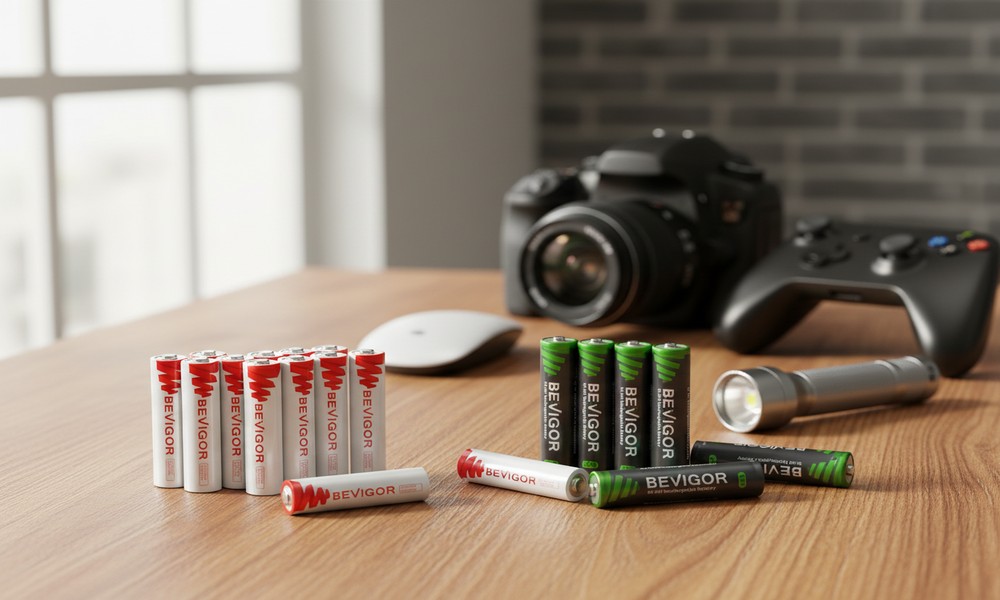
Evaluating advanced cell variants for automated spaces reveals clear differences in long-term capacity retention and voltage consistency. Bevigor lithium batteries deliver an outstanding power density reaching up to 3500mAh, paired with a persistent, constant 1.5V voltage profile and an exceptional shelf stability lasting up to 10 years. These precise specifications align perfectly with the performance requirements of complex home networks.
Standard cells degrade linearly, dropping from 1.5V down to 1.1V midway through their usage cycle, which can cause microprocessors to report false low-battery alerts. The 3500mAh capacity paired with an unrelenting flat discharge curve ensures that devices work at full capacity until the energy reserve is completely spent. This steady power delivery keeps high-drain security cameras broadcasting at peak signal strengths for years on end.
Maximizing Local Signal Integrity with Bevigor Lithium Batteries
The constant 1.5-volt output provides crucial advantages for wireless networking components inside smart homes. Devices like smart blinds or motorized valves run smoother and more quietly when supplied with unyielding, stable voltage. This consistent power stream also maximizes transmission distance for internal radios, reducing packet loss and ensuring automated scripts run instantly when triggered.
Moreover, the advanced structural casing significantly improves physical device safety. Advanced anti-leakage technology prevents toxic chemicals from venting onto sensitive electronic circuit boards. This chemical protection preserves expensive home automation hardware, providing a safe, reliable energy source that stands up to years of continuous usage.
Building a Dependable Automated Space Around a Premium Lithium Battery Infrastructure
Ultimately, selecting home energy cells involves looking past initial cost to calculate total long-term maintenance overhead. Constantly replacing weak alkaline options generates excessive chemical waste and costs valuable hours in manual labor. Investing in stable, high-capacity chemistry builds a reliable, hands-off infrastructure that functions exactly as designed.
Relying on a premium lithium battery baseline stabilizes peripheral nodes and guarantees uninterrupted network performance. This intentional hardware strategy reduces troubleshooting time and protects internal microcontrollers from sudden power drops. By focusing on superior cell engineering, homeowners create a resilient, efficient, and truly automated living environment.