
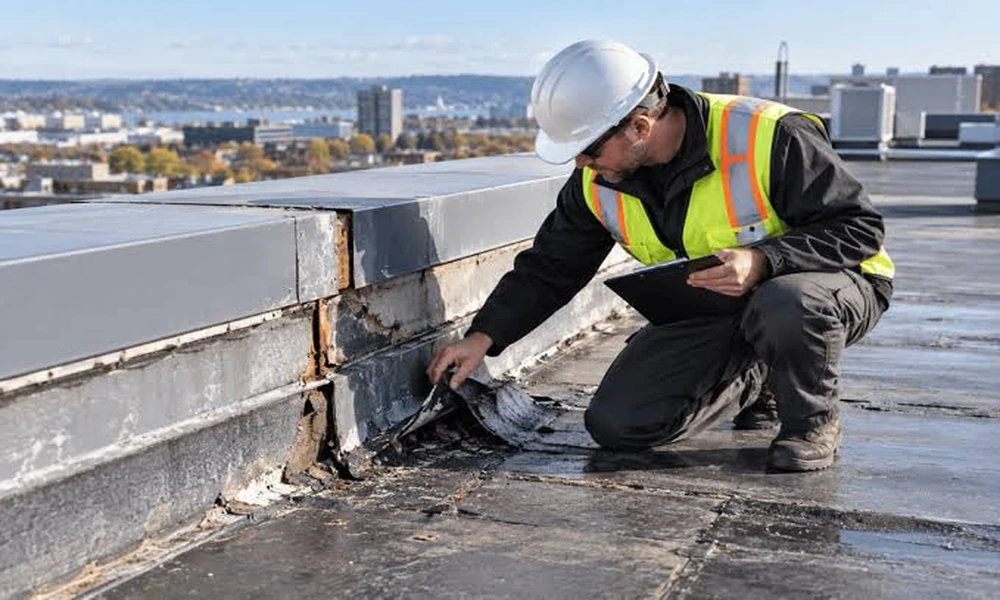
Commercial roofing membranes serve as a protective barrier against moisture, temperature fluctuations, and environmental exposure. These membranes are particularly important for flat and low-slope commercial roofs, where water drainage and weather resistance directly affect building performance. However, continuous exposure to sunlight, heavy rainfall, temperature changes, and physical stress can gradually weaken roofing materials, creating vulnerabilities that may lead to expensive structural problems.
Understanding the causes of membrane deterioration, recognizing early warning signs, and selecting appropriate repair methods can help commercial property owners maintain reliable roofing systems. Proper maintenance also reduces unexpected disruptions and protects valuable equipment, inventory, and interior spaces from water damage.
Common Causes of Commercial Roof Membrane Damage
Commercial roof membranes experience different types of stress depending on the roofing material, building design, and surrounding environmental conditions. One common cause of deterioration is prolonged exposure to ultraviolet radiation. Continuous sunlight can gradually affect certain roofing materials, reducing flexibility and increasing the likelihood of cracking or surface degradation.
Temperature fluctuations also contribute significantly to membrane damage. Roofing materials expand during warmer conditions and contract when temperatures decrease. Repeated movement can weaken seams, flashing connections, and other vulnerable areas. Property owners seeking commercial roofing repair in Denver should pay particular attention to temperature variations, snow accumulation, and seasonal weather conditions that may accelerate membrane deterioration.
Another common cause is physical damage resulting from rooftop maintenance activities. Commercial buildings frequently accommodate HVAC systems, ventilation equipment, and other mechanical installations. Foot traffic, dropped tools, and improperly positioned equipment can puncture roofing membranes or damage protective surfaces.
Poor drainage further increases the likelihood of deterioration. Standing water places additional stress on roofing materials, particularly around seams, drains, and flashing details. Over time, persistent moisture exposure can expose existing installation defects and increase the risk of leaks.
Different Types of Roof Membrane Damage
Roof membrane damage can appear in several forms, each requiring a different inspection and repair approach. Punctures and tears are common problems, particularly on roofs that receive frequent maintenance traffic. Even relatively small openings can allow moisture to penetrate the roofing assembly and affect underlying insulation.
Seam separation is another significant concern. Many commercial roofing systems use mechanically attached, adhered, or heat-welded seams to connect membrane sections. When these connections weaken, water may enter through gaps that are difficult to identify during routine visual inspections.
Blistering and bubbling can also develop when moisture or air becomes trapped beneath certain roofing materials. Although not every blister requires immediate intervention, expanding or damaged areas should be evaluated to determine whether the membrane remains watertight.
Surface cracking, shrinkage, and flashing deterioration are additional warning signs. These problems frequently develop around roof penetrations, parapet walls, drainage outlets, and equipment supports, where movement and environmental exposure create concentrated stress.
Risks Associated With Ignoring Roof Membrane Damage
Ignoring membrane damage can create consequences that extend beyond the roofing system itself. Water infiltration is among the most immediate concerns because moisture can spread through insulation, ceiling assemblies, and interior building materials before visible leaks appear.
Wet insulation may lose thermal effectiveness, potentially increasing heating and cooling demands. Persistent moisture can also contribute to corrosion, deterioration of building components, and microbial growth when conditions support it.
Commercial operations may experience additional difficulties when roof leaks affect electrical equipment, stored products, office furniture, or production areas. Businesses might need to temporarily relocate equipment or restrict access to damaged sections of a building while repairs are completed.
Delayed maintenance can also increase overall repair expenses. A small membrane puncture that initially requires a localized patch may eventually contribute to widespread moisture damage, requiring insulation replacement or more extensive roofing work.
Effective Repair Methods for Damaged Commercial Roof Membranes
The appropriate repair method depends on the membrane material, damage severity, moisture conditions, and overall roof condition. Professional inspections help determine whether localized repairs can restore reliable protection or whether larger sections require replacement.
For minor punctures and tears, technicians may install compatible membrane patches using approved adhesives or heat welding techniques. Proper surface preparation is essential because dirt, moisture, and deteriorated materials can interfere with bonding.
Damaged seams may require cleaning, reinforcement, or rewelding, depending on the roofing system. Flashing repairs often involve replacing compromised materials around penetrations and ensuring that connections remain properly sealed.
When moisture has penetrated the roofing assembly, contractors may need to remove affected membrane sections and replace saturated insulation before installing new roofing materials. Applying patches over trapped moisture without addressing underlying damage can allow deterioration to continue.
For property managers considering commercial roofing repair in Denver, selecting contractors familiar with local weather conditions and specific commercial membrane systems can support more appropriate repair decisions.
Preventive Maintenance for Longer Roof Membrane Life
Preventive maintenance plays an important role in reducing unexpected membrane failures. Commercial property owners should arrange periodic inspections, particularly after severe storms, significant snowfall, or maintenance activities involving rooftop equipment.
Keeping drains, gutters, and scuppers clear helps prevent standing water and reduces unnecessary stress on roofing components. Designated walkways can also minimize punctures and surface damage in areas where technicians frequently access mechanical equipment.
Maintenance records should document inspections, identified defects, completed repairs, and recurring problem areas. This information allows property managers to recognize deterioration patterns and plan future roofing expenses more effectively.
Routine inspections should also evaluate flashing connections, seams, rooftop penetrations, and drainage components. Addressing minor defects before moisture reaches underlying materials can significantly reduce the likelihood of extensive repairs.
Conclusion
Roof membrane damage can compromise commercial building protection, energy efficiency, and daily operations when maintenance problems remain unresolved. Environmental exposure, temperature fluctuations, physical damage, and drainage deficiencies are among the leading contributors to membrane deterioration.
By recognizing early warning signs, investing in professional inspections, and using repair methods appropriate for the roofing system, commercial property owners can reduce costly damage and extend roof performance. A consistent maintenance strategy remains one of the most practical ways to protect commercial roofing investments and maintain safe, functional buildings.