
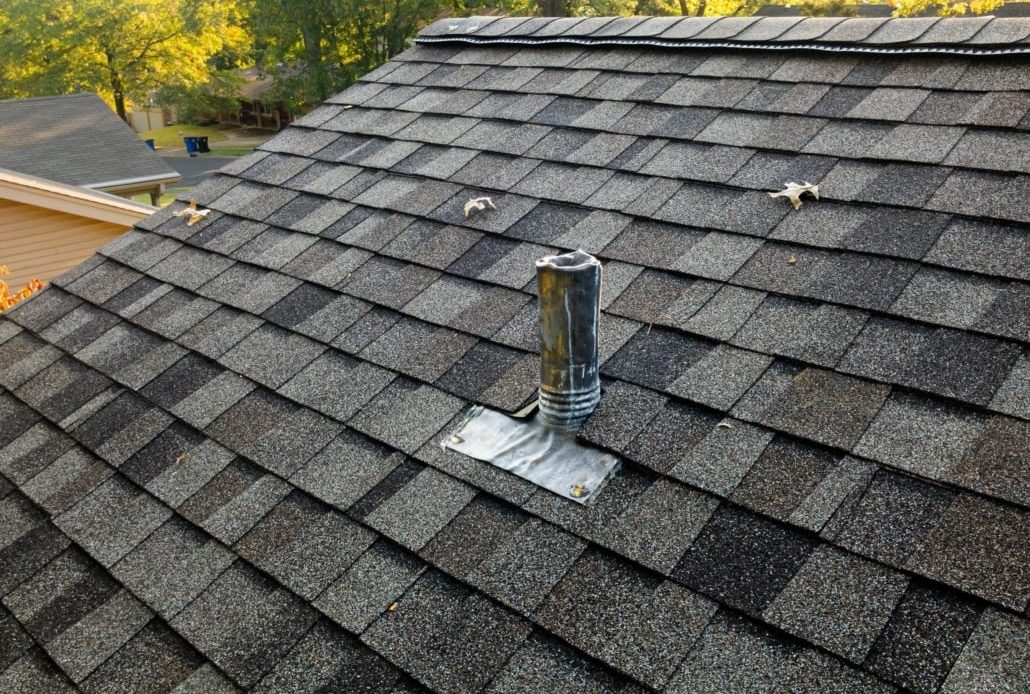
If you’ve looked up at your roof and seen a number of pipes and other protrusions, you may be curious about their functions and the reason behind their abundance. What are the pipes on my roof is a common question among homeowners, and the answer lies in the plumbing, heating, and ventilation systems in your house, which depend on roof penetrations for pipes, vents, and flues. Even though they might look like extra clutter on your roof, each one is essential to the safe and effective operation of your house. You can better appreciate the importance of these pipes and determine when maintenance is required if you are aware of their variety and functions.
Plumbing Vent Pipes: Essential for Wastewater Systems
Plumbing vent pipes, also referred to as vent stacks, are the most prevalent pipes on your roof. Sewage gasses can safely escape into the atmosphere through these pipes, which are connected to your home’s plumbing system. In order to maintain appropriate pressure and guarantee that wastewater flows easily, they also allow fresh air to enter the plumbing system. In the absence of these vents, your house may have gurgling noises, slow drains, or disagreeable smells. Depending on the size of your house and the intricacy of the plumbing design, you might require more than one plumbing vent.
Heating System Vents and Furnace Flues
Heating appliances like boilers, water heaters, and furnaces release combustion fumes through pipes and plumbing vents in many homes. Metal pipes called exhaust vents or furnace flues remove dangerous particles like carbon monoxide from your home. Combustion gases can kill, so these vents must be properly installed and maintained.
Attic and Roof Ventilation Pipes
Some roof pipes are utilized for ventilation as well as heating and plumbing. Attic vents, which might look like pipes or stacks, discharge hot air and moisture from the roof. Attic ventilation reduces energy costs, prevents mold growth, and protects roofing materials. Multiple units may be needed for ventilation. These vents can be turbine, ridge, or powered.
Other Roof Penetrations: Dryer Vents, Gas Lines, and More
Your roof may also have gas line vents that relieve pressure from natural gas systems or dryer vents that discharge wet air. These improve home comfort and safety despite being less frequent. Some older properties may have apparent but inoperable vents or pipes. Check all roof penetrations for blockages and condition routinely.
Conclusion
Even while a roof full of pipes may appear disorganized, each pipe supports the heating, ventilation, and plumbing systems in your house in a unique and significant way. Attic vents control moisture and temperature, heating vents properly remove combustion gasses, and plumbing vents ensure adequate drainage and air quality. Knowing these functions makes it easier for homeowners to understand why so many roof penetrations are required and emphasizes how crucial routine maintenance is to maintaining their safe and effective operation.